Single Accountability From Concept Through Completion
Design-Build Services in Asheville for projects where miscommunication between architects and contractors leads to cost overruns or delayed timelines
Traditional project delivery separates design from construction, requiring you to coordinate between an architect who develops plans and a contractor who interprets them. Discrepancies between drawings and field conditions often surface during construction, triggering change orders, schedule delays, and disputes over who's responsible for resolving conflicts. Boundless Construction LLC offers design-build services in Asheville that place both planning and execution under one contract, so decisions about materials, budgets, and timelines involve the same team from initial sketches through final walkthrough. This approach works for new home construction, additions, and major renovations where design intent must align with constructability and cost control.
The process begins with collaborative planning sessions where you outline functional requirements, aesthetic preferences, and budget constraints. Design options are developed with input from the construction team, so material selections, structural approaches, and system layouts are vetted for feasibility before drawings are finalized. Estimates are refined as the design evolves, reducing the likelihood of surprises when construction begins.
Arrange a design-build consultation to discuss project scope and how integrated planning streamlines decision-making.
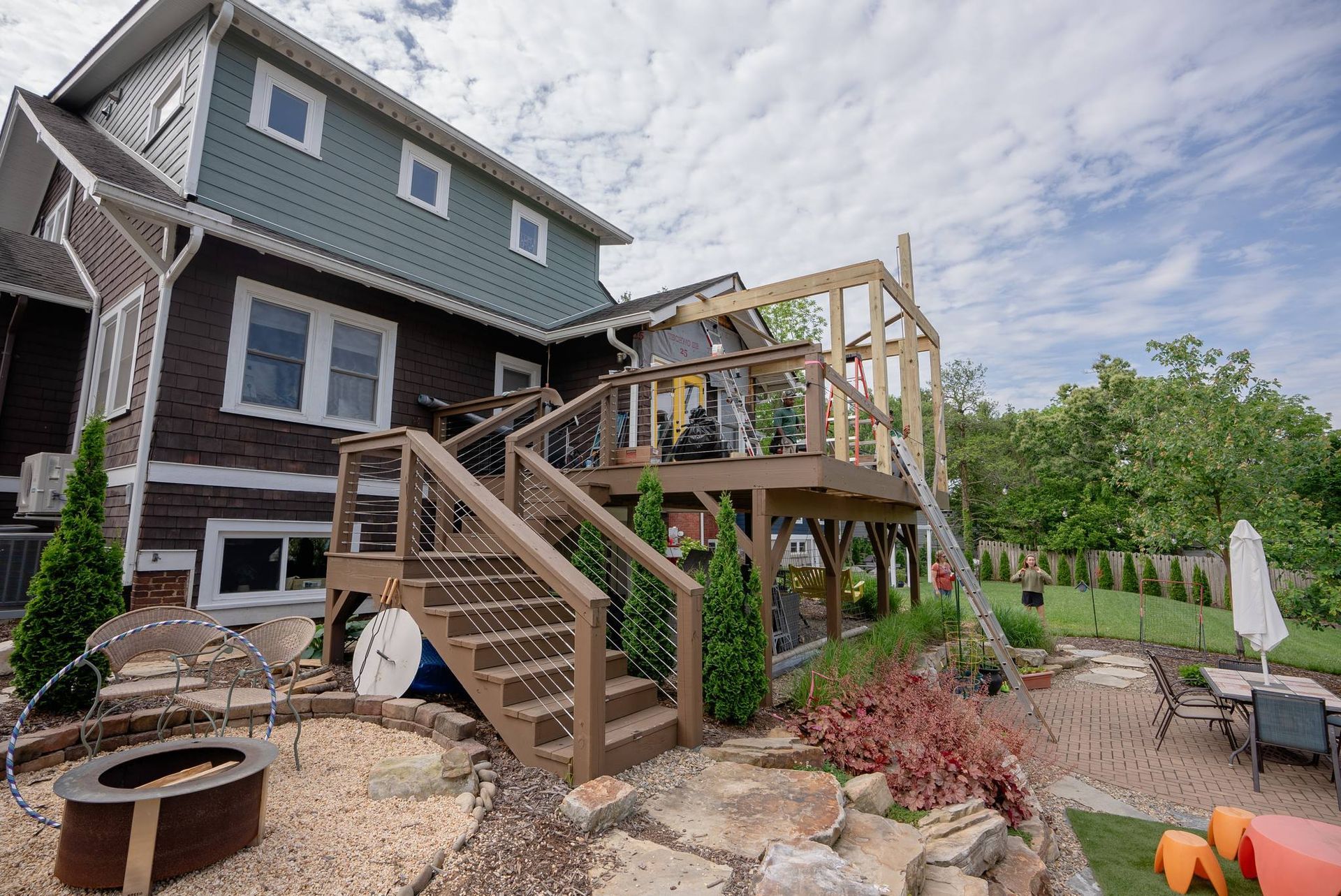
Why Single-Source Responsibility Works for Complex Projects
Design-build eliminates the gap between what's drawn and what's buildable because the people creating the plans are also responsible for executing them. When site conditions reveal unexpected complications—such as ledge rock during excavation or undersized electrical service—the team adjusts the design without waiting for external approvals or renegotiating contracts. Budgets are managed continuously rather than locked in before construction realities are known, and scheduling conflicts between trades are resolved internally instead of through multi-party coordination.
After the project is complete, the home or addition functions as intended because design decisions were made with construction constraints in mind. Door swings don't conflict with cabinetry, window placements align with framing members rather than falling mid-stud, and mechanical systems fit within allocated chases without requiring soffits or bulkheads that compromise ceiling heights. You work with one point of contact throughout, so questions about design changes or construction progress are answered by someone familiar with both aspects of the project.
Design-build is particularly effective for projects with aggressive timelines, since design and procurement can overlap with early construction phases rather than proceeding sequentially. The approach also suits clients who prefer iterative decision-making, where material and layout choices are refined as the project advances rather than finalized months in advance.
What Property Owners Usually Ask
Homeowners considering design-build often want to understand how the process differs from traditional methods and what level of involvement is expected.
What happens during the design phase?
You meet with the team to review functional goals, review preliminary layouts, and provide feedback on material options, with revisions made until the plan aligns with your priorities and budget.
How does pricing work in a design-build contract?
Costs are estimated throughout design development and finalized once the scope is defined, with allowances for selections like fixtures or finishes that you'll confirm as construction progresses.
When does construction begin?
Building can start on foundations or site work while interior details are still being refined, reducing overall project duration compared to waiting for complete design documentation.
What decisions require client input?
Major layout choices, finish material selections, and any design changes that affect budget or timeline need your approval, while routine construction sequencing is managed by the team.
How are changes handled once construction starts?
Modifications are evaluated for impact on cost and schedule, then incorporated through the same team rather than requiring coordination between separate designer and builder contracts.
Boundless Construction LLC uses the design-build model to reduce project complexity and improve accountability. Contact us to explore how this approach applies to your new build or renovation project.