
Outdoor Spaces Built for Seasonal Use
Outdoor Living and Decks in Asheville for homes where indoor square footage no longer fits how you actually use the property
Boundless Construction LLC builds custom decks, patios, and outdoor kitchens in Asheville designed to function as extensions of your indoor living areas. These structures handle the temperature swings and moisture levels common in Western North Carolina's mountain climate, from summer humidity to freeze-thaw cycles that can warp untreated materials or pull fasteners loose over time. Decks and outdoor living spaces are planned around how you intend to use them, whether that involves seating for gatherings, cooking zones, or transitional areas that connect your home to surrounding landscaping.
The construction process includes selecting lumber and composite materials rated for prolonged weather exposure, along with drainage planning to prevent water from pooling on horizontal surfaces or against the home's foundation. Outdoor kitchens involve utility routing, weatherproof cabinetry, and countertop materials that resist staining and thermal shock. Each project accounts for existing grade, sun exposure, and how the new structure integrates with doorways, rooflines, and plantings already in place.
Schedule a property consultation to review layout options and material specifications for your outdoor project.
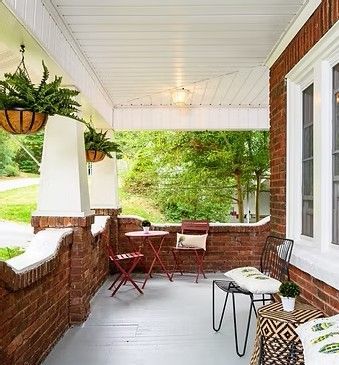
What Proper Outdoor Construction Requires
Deck framing must account for joist spacing that prevents surface flex, especially when furniture or appliances will be positioned in concentrated areas. Ledger boards attach to the home's structure with flashing that directs water away from the connection point, preventing rot in the band joist. Composite decking expands and contracts with temperature changes, so fastener placement and gapping between boards follow manufacturer guidelines specific to the material you select.
Once construction is complete, you'll notice that the deck surface remains level without sagging, railings are rigid under pressure, and water drains off the structure rather than collecting in corners. Outdoor kitchens include functional work zones with countertop heights that match indoor standards, electrical outlets positioned for appliances without visible cord runs, and gas lines tested for leaks before finishing work begins. The transition between indoor and outdoor spaces becomes seamless, with door thresholds aligned and sightlines preserved from interior rooms.
Larger projects may involve grading adjustments to manage runoff, retaining walls to create level areas on sloped lots, or pergola structures that provide partial shade without blocking mountain views. Each outdoor addition is planned to complement the home's existing architectural style while creating distinct functional zones for cooking, dining, and seating.
Questions Before Starting Your Project
Clients in Asheville frequently ask about materials, timelines, and how outdoor structures hold up under local conditions.
What materials work best for decks in this climate?
Pressure-treated lumber and capped composite boards both resist moisture and insect damage, though composites require less maintenance over time and won't splinter or require staining.
How is the structure attached to the house?
A ledger board is bolted to the home's rim joist with galvanized or stainless hardware, and flashing is installed above the connection to direct water away from the attachment point.
When should deck construction be scheduled?
Spring and fall offer moderate temperatures and lower humidity, which help materials acclimate and finishes cure properly, though projects can proceed year-round with weather adjustments.
What factors affect the layout of an outdoor kitchen?
Proximity to existing utility lines, prevailing wind direction that affects cooking smoke, and whether the space will be covered or open to precipitation all influence appliance placement and material selection.
How long does a properly built deck last?
Framing typically lasts several decades with correct flashing and drainage, while surface materials vary—composites often carry 25-year warranties, and treated wood can last 15 to 20 years with periodic sealing.
Boundless Construction LLC coordinates outdoor projects with your timeline and property conditions, from initial layout discussions through final inspections. Arrange an on-site consultation to review design options and material choices for your outdoor living space.